

If you are running a well system, you know that choosing the right poly pipe for well applications can make or break your water delivery. Whether you are pulling a submersible pump or laying a new supply line, the pipe must handle pressure, resist kinking, and last for years. In this guide, we evaluate three products that cover the essentials: a pump pulling tool that protects your poly pipe during installation or removal, and two Cresline polyethylene pipes built for different pressure ratings. By the end, you will know exactly which option fits your well setup.
Before diving into the details, it helps to understand your well’s requirements. For example, if you are replacing an old pipe, you might also need to check your pump size. Our guide on what pump you need for your well can help you match the right components. Now, let’s look at the products that will keep your water flowing.
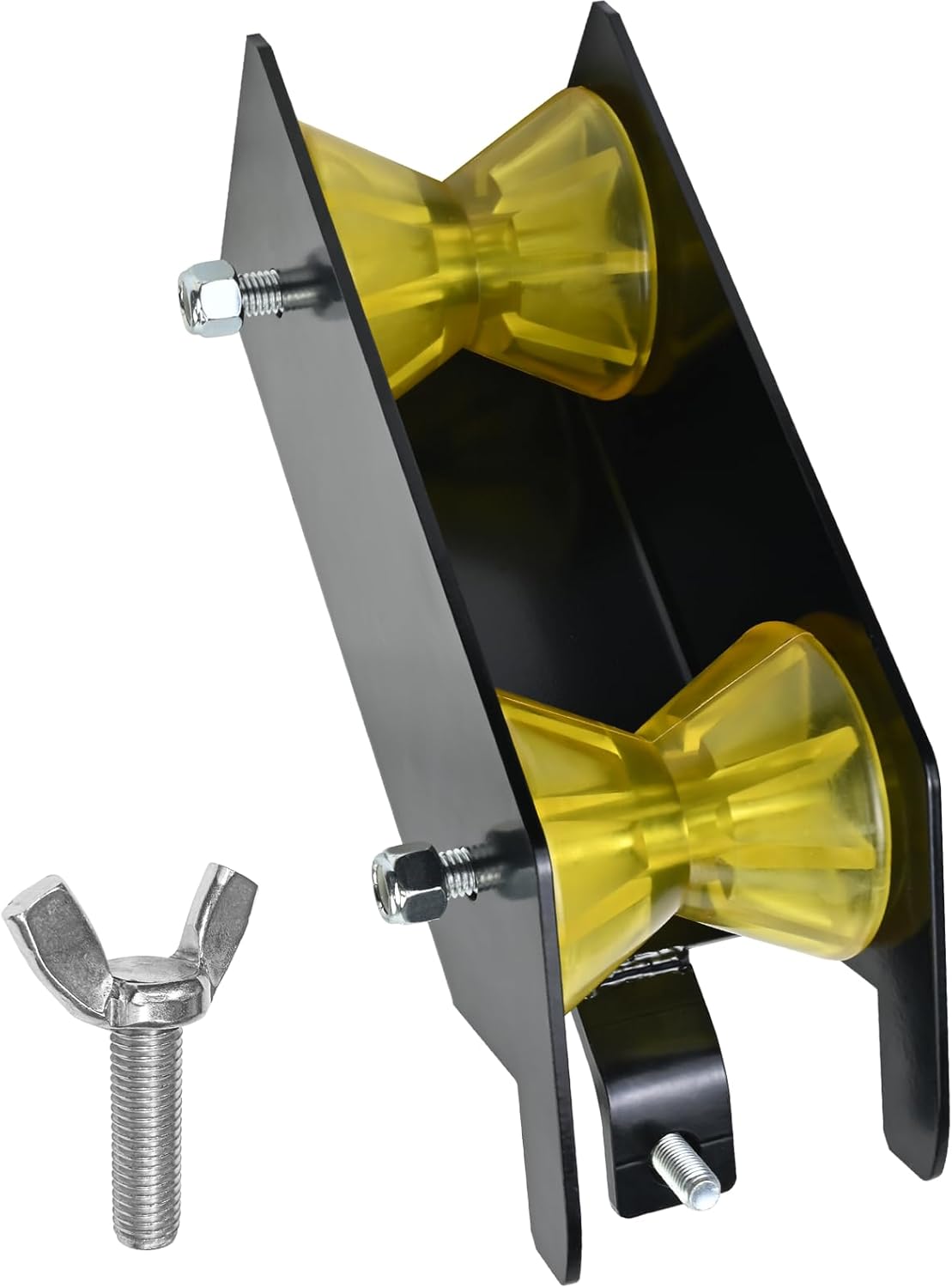
Pros
- Huge time saver: an hour and a half job can be done in 5 minutes, based on real user feedback.
- Durable, wear-resistant, and corrosion-resistant steel build that withstands tough field conditions.
- Easy to set up and use with just basic tools, even for a single person or a small crew.
- Versatile with poly pipe sizes up to roughly 1.5 to 2 inches in diameter.
- Great value for the price, outperforming much more expensive alternatives.
Cons
- Not suitable for rigid or metal supply pipes, as these cannot bend around the rollers.
- Side guides could be taller to better keep larger pipes or cables from slipping off.
- Requires a minimum casing diameter of 4 inches; may not fit smaller wells.
The XJJ Water Well Pump Pulling Tool and Cable Rollers is a practical solution for anyone who needs to install or remove a submersible well pump without heavy equipment. It is specifically designed to work with flexible polyethylene (poly) pipe and is ideal for well casings exceeding 4 inches in diameter. This tool is a lifesaver for DIY well owners, small farm operators, and even professional pump installers looking to speed up routine work.
Its standout feature is the pair of tapered boat-style rollers that keep the pipe centered and moving smoothly. This design prevents the poly pipe from bending, kinking, or getting scratched during the pull, which not only protects the pipe but also the internal electrical wires. Users report that attaching a rope to a tractor or ATV allows two people to pull a well in minutes, a task that previously took a crew and expensive machinery.
The build quality is excellent for the price. Every stressed component is reinforced, and the body is made from thick, high-strength alloy steel, ensuring stability under heavy loads. The black finish resists wear and corrosion, and the tool feels solid in hand. While the side guides are functional, some users note they could be taller to better capture oversized pipes, but with standard poly pipe, the tool works flawlessly.
One limitation is that this tool is not designed for rigid piping, such as schedule 80 PVC or metal pipe, because those materials cannot flex around the rollers. As one reviewer discovered, it is exclusively for flexible poly lines, so it's important to confirm your pump installation type before purchasing. Additionally, the minimum casing size requirement is 4 inches, which excludes smaller wells.
Overall, the XJJ Well Pump Pulling Tool and Cable Rollers is a highly effective, budget-friendly accessory that dramatically simplifies well pump maintenance. It saves time, reduces physical effort, and protects your equipment, making it a worthwhile investment for anyone working with poly pipe wells. If you have a flexible-line well pump, this tool is worth every penny.

Pros
- Flexible and lightweight for easy installation in tight spaces
- Corrosion-resistant and chemical-resistant for long service life
- High pressure rating (80 psi) suitable for demanding applications
- Made in the USA with consistent quality control
Cons
- Not for potable water or hot water use; cold water only
- Some users report thin walls that may require compatible couplings or tape for a secure drip-free connection
- No NSF approval, limiting use in drinking water systems
The Cresline 1 in. x 100 ft. Polyethylene Pipe is a flexible, black HDPE pipe engineered for non-potable water applications. It is an excellent choice for well water lines, irrigation systems, and drainage projects where cost and ease of installation matter. With a maximum working pressure of 80 psi and a lightweight design, this pipe offers a reliable alternative to rigid copper or PVC.
Standout features include its flexibility, which allows it to snake around obstacles without extra fittings, and its resistance to corrosion and chemicals. The 100-foot length provides generous coverage for large projects, and the 1-inch diameter delivers adequate flow for most residential uses. Users praise its performance and value, noting that it gets the job done efficiently.
Build quality is solid, with the pipe made from selected polyethylene resins in the USA. However, some reviewers mention that the wall thickness is thinner than expected, requiring specific couplings (e.g., Watts ANKA series) or a wrap of duct tape to achieve a tight, leak-free connection. This is a minor consideration for those prepared with the right accessories.
Drawbacks are clear: the pipe is not intended for potable water and lacks NSF approval, so it cannot be used for drinking water. It is also limited to cold water use only (up to 73°F). Additionally, the thin walls may not suit all users, especially if high burst resistance is needed.
Overall, the Cresline Polyethylene Pipe is a dependable, budget-friendly option for non-potable cold water applications. Its flexibility, durability, and ease of installation make it a top pick for DIYers and professionals working on irrigation or well water systems. For best results, pair it with compatible couplings and follow the manufacturer's guidelines.
Product Dimensions: 1200 inches length x 1 inch width (100 ft x 1 in diameter)
Weight: 10 pounds
Material: High-density polyethylene (HDPE)
Color: Black
Maximum Pressure: 80 psi at 73°F
Temperature Range: Cold water only
Certifications: Not NSF approved
Country of Origin: USA

Pros
- NSF certified for drinking water safety
- High-density polyethylene resists corrosion and cracking
- Flexible and easy to cut and install
- Made in USA with quality materials
- Affordable alternative to big box stores
Cons
- Not UV resistant; must be kept out of direct sunlight for extended periods
- Rated at 100 PSI only, which may not suit higher-pressure applications
- Requires insert fittings and stainless steel clamps (not included)
The Cresline 1-inch x 100-foot polyethylene pipe is a versatile solution for water delivery in residential, farm, and industrial settings. Rated at 100 PSI and NSF approved for drinking water, it is ideal for well systems, irrigation, sprinklers, and even submersible pump lines. Its high-density polyethylene construction resists corrosion and cracking, ensuring long-lasting performance in underground or indoor applications.
Real-world users praise its ease of installation: the pipe is lightweight and flexible, allowing for quick cutting to custom lengths. Many reviewers note it works well for well water and farm use, with one stating it is “working great” in their well. The pipe also handles consistent pressure without issues, making it reliable for daily water transport.
Build quality is solid for its price point, manufactured in the USA to meet ASTM D2239 and D2737 standards. However, it is not designed for prolonged exposure to sunlight, so it should be buried or shaded. The 100 PSI rating is sufficient for most residential needs, but some users have reported needing a higher pressure rating (e.g., 200 PSI) for certain applications.
A notable drawback is the return process: one reviewer shared a costly experience with return shipping and restocking fees. This suggests buyers should carefully confirm their pressure requirements before purchase. Additionally, the pipe requires insert fittings and stainless steel clamps, which are sold separately.
Overall, the Cresline polyethylene pipe offers a good balance of durability, flexibility, and affordability for standard water systems. It is best suited for projects where 100 PSI is adequate and where UV exposure can be avoided. For higher-pressure demands, consider a thicker or reinforced pipe.
Buying Guide: What to Look for in a Poly Pipe for Well
Selecting the right poly pipe for your well involves more than just grabbing the first roll you see. You need to consider pressure capacity, material quality, ease of installation, and whether the pipe meets your water use standards. Below are the key criteria we used to evaluate these products.
Pressure Rating: Match the Pipe to Your Pump
The pressure rating of a poly pipe determines how much force it can handle without bursting. For most residential well pumps, 80 psi is sufficient, but deeper wells or high-output pumps may require a 100 psi rating. The Cresline Polyethylene Pipe 1″ X 100′ 80 Psi is rated for 80 psi, while the 100 Psi version offers extra headroom. Always check your pump’s maximum pressure before buying.
If you are assembling a complete system, you might also want to explore a well pump kit buying guide to see how the pipe fits with tanks and controls.
Potable Water Certification
Not all poly pipes are safe for drinking water. The Cresline 80 Psi version is explicitly marked “Not For Potable Water,” meaning it is intended for irrigation, drainage, or non-potable uses. The 100 Psi version is made from PE3408 and suitable for drinking water, making it the right choice if your well supplies your home. Always confirm the pipe’s certification before connecting it to your household lines.
Installation and Handling: Tools That Protect Your Pipe
Pulling a poly pipe into a well casing can be tricky. Sharp edges and friction can damage the pipe, leading to leaks. The Water Well Pump Pulling Tool and Cable from XJJ solves this by guiding the pipe through a tapered roller, preventing kinks and scratches. It attaches directly to the well casing and works with casing sizes above 4 inches. If you are replacing a pump, this tool saves time and protects your investment.
For a complete setup, consider pairing the pipe with a well pump for pressure tank to ensure consistent water pressure throughout your home.
Flexibility and Durability
Polyethylene pipe is naturally flexible, which makes it easier to route around obstacles. Both Cresline pipes are lightweight and can be cut to length. The high-density construction resists corrosion and cracking, even in demanding environments. For long-term reliability, choose a pipe that is made in the USA and meets industry standards.
If you are planning a new well installation, our complete well pump kit for home guide can help you pick all the components in one place.
Final Thoughts
After evaluating these products, our recommendation depends on your specific need. For those installing or servicing a well pump, the Water Well Pump Pulling Tool and Cable is a smart addition that protects your poly pipe from damage during pulls. If you need a reliable poly pipe for well water delivery, the Cresline Polyethylene Pipe 1″ X 100′ 100 Psi is the top pick for potable water systems, while the 80 Psi version handles irrigation and non-potable tasks just as well. Either way, you are getting durable, American-made pipe that will serve your well for years.
Frequently Asked Questions
Can I use 80 psi poly pipe for drinking water?
No, the Cresline 80 Psi pipe is marked “Not For Potable Water.” Use the 100 Psi version if you need a pipe that is safe for drinking water. Always check the product specifications before installing.
How do I pull poly pipe through a well casing without damaging it?
Use a tool like the XJJ Water Well Pump Pulling Tool and Cable. It has a tapered roller that lets the pipe slide smoothly, preventing kinks and scratches. You can also attach the pipe to a tractor or trailer for a steady pull.
What is the maximum depth for a 1-inch poly pipe well?
Depth depends on your pump’s pressure and the pipe’s rating. A 100 psi pipe can generally handle depths up to 230 feet, but always consult your pump specifications. For deeper wells, consider a higher pressure pipe or a booster system.
Is poly pipe better than PVC for well applications?
Poly pipe is more flexible and resistant to freezing, making it ideal for well drop pipes. PVC is rigid and can crack under stress. For most well installations, polyethylene pipe is the preferred choice. Learn more in our Replacement & Parts category.


Write Your Review
No reviews yet. Be the first to share your experience!